
These 10 Habits Helped Me Become a Better Writer
Here’s the thing about writing: As good as you are, you can always be better. Whether it’s improving vocabulary and grammar, or learning how to change the tone and style of your writing to fit different publications or job roles, there are always way to improve your use of the written word.
Personally – I know I still have a lot of learning and improving to do over the course of my career. But I also give myself credit for having continually refined my craft, especially over the last five years, post-grad school. During this time period, I spent time writing for different companies, organizations and publications. Writing everything from press releases to social media posts to personal essays, I’ve gotten pretty comfortable facing down the blank page or – let’s be real here – screen and have been able to make a comfortable living on my ability to write for a variety of mediums in diverse tones.
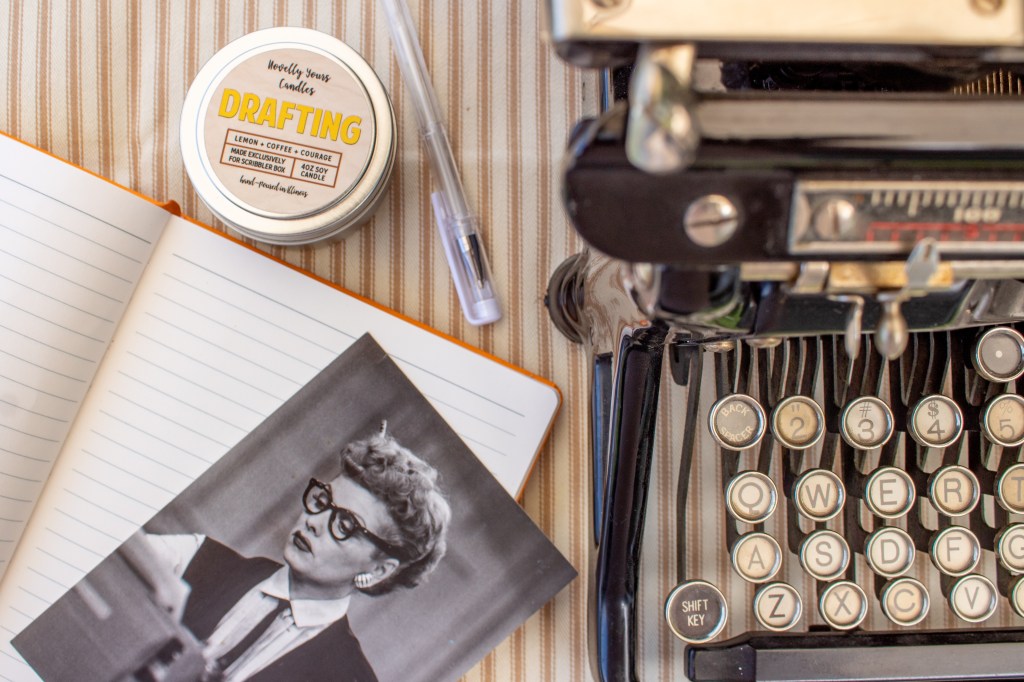
In this post I’m sharing some of the habits I have adopted to improve my writing. Keep reading if you’re interested in learning more and giving them a go, yourself!
Read Often
There is a lot of research that supports the notion that those who read a lot also tend to be better writers. It makes sense, right? If you spend a lot of time digesting the written word, then it’s only natural you will get better at creating it yourself.
Read a Variety of Written Materials
Aside from reading often, I personally also think it helps to read different kinds of written materials. Books, blogs, news publications, etc. — It can help you pick up on different writing styles and – in turn – churn those styles out as a writer.
Write Even More
For as much time as you spend reading, spend even more time writing. Flexing that muscle often is the best way to strengthen it. The more you write, the less intimidating an empty page becomes. That’s a huge win right there.
Use a Thesaurus
Good writers diversify their vocabulary. Make it a habit to reach for different words so that you’re not using the same terms and phrases over and over and over again. Stuck? Thesaurus.com is your friend.
Edit, Edit and Edit Some More
I can’t tell you how many times I have proofread something twice, only to read it a third time and find even more mistakes. Editing with a critical eye will do wonders for your work. A decorative sign that I keep in my home office reads, “Write without fear, edit without mercy.” I can’t tell you how much I love that.
Ask Yourself, “What Am I Trying To Say?”
Why are you writing what you’re writing? What should readers take away from it? Basically – what’s the point? Having a purpose to your writing before you get started will help you produce a stronger narrative. It will also cut back on your writing time!
Then, Ask Yourself, “Does This Make Sense?”
It’s easy to fall into writing something simply because you think it sounds good. It’s important to step back and assess. Sometimes when I do this, I realize that what I’ve written doesn’t actually make any sense. I always edit at least once for clarity and once for spelling and grammar.
Ask for Others’ Opinions
Nothing improves written material quite so much as a second (or third) pair of eyes. As a writer, it’s easy to become attached to your work. This, in turn, makes it difficult to criticize the work objectively. It’s important to ask for honest, constructive feedback from those who are willing and able to provide it.
Get Comfortable with Rejection
If you are pitching work to publications or publishers, get comfortable with rejection — more than likely, you’ll be facing your fair share of it. This doesn’t mean you’re a bad writer; It just means there was other work that caught their attention. Use it as a learning opportunity by critically assessing your work and asking yourself what you could have done better. Could the angle have been more interesting? Could the headline have been more attention-grabbing? Just don’t get discouraged!
Tell a Story
Humans love stories. They just do. Storytelling is one of the most effective means for communicating a message because it draws readers in. Prioritizing storycraft will make your written work more effective AND make it a heck of a lot more fun to write.


 Hygge Inspired
Leave a reply to Published Pieces: Summer 2021 – Hygge Inspired Cancel reply